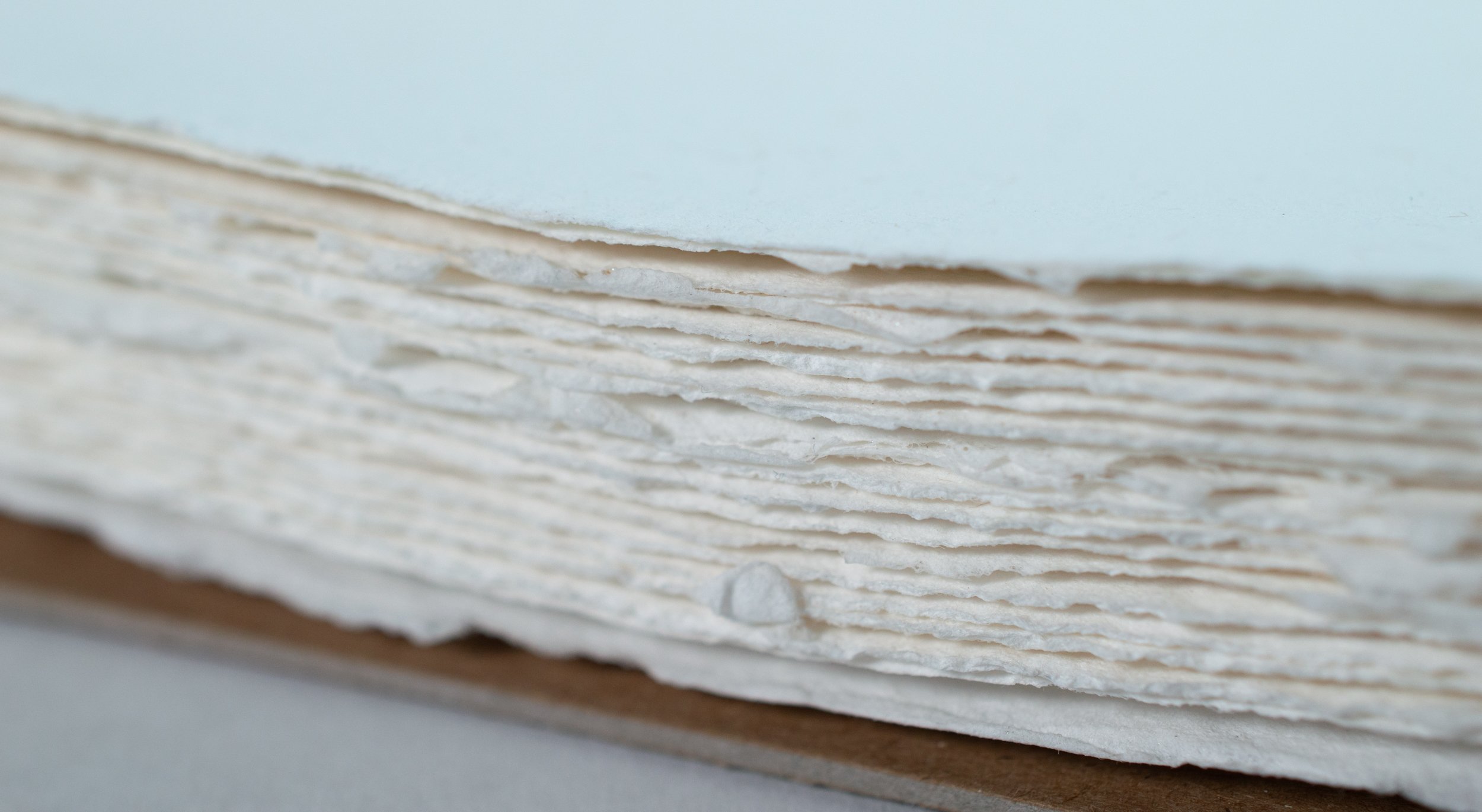
Handmade papers made from scratch
Fine art papers and stationery
made using recycled materials
and traditional methods
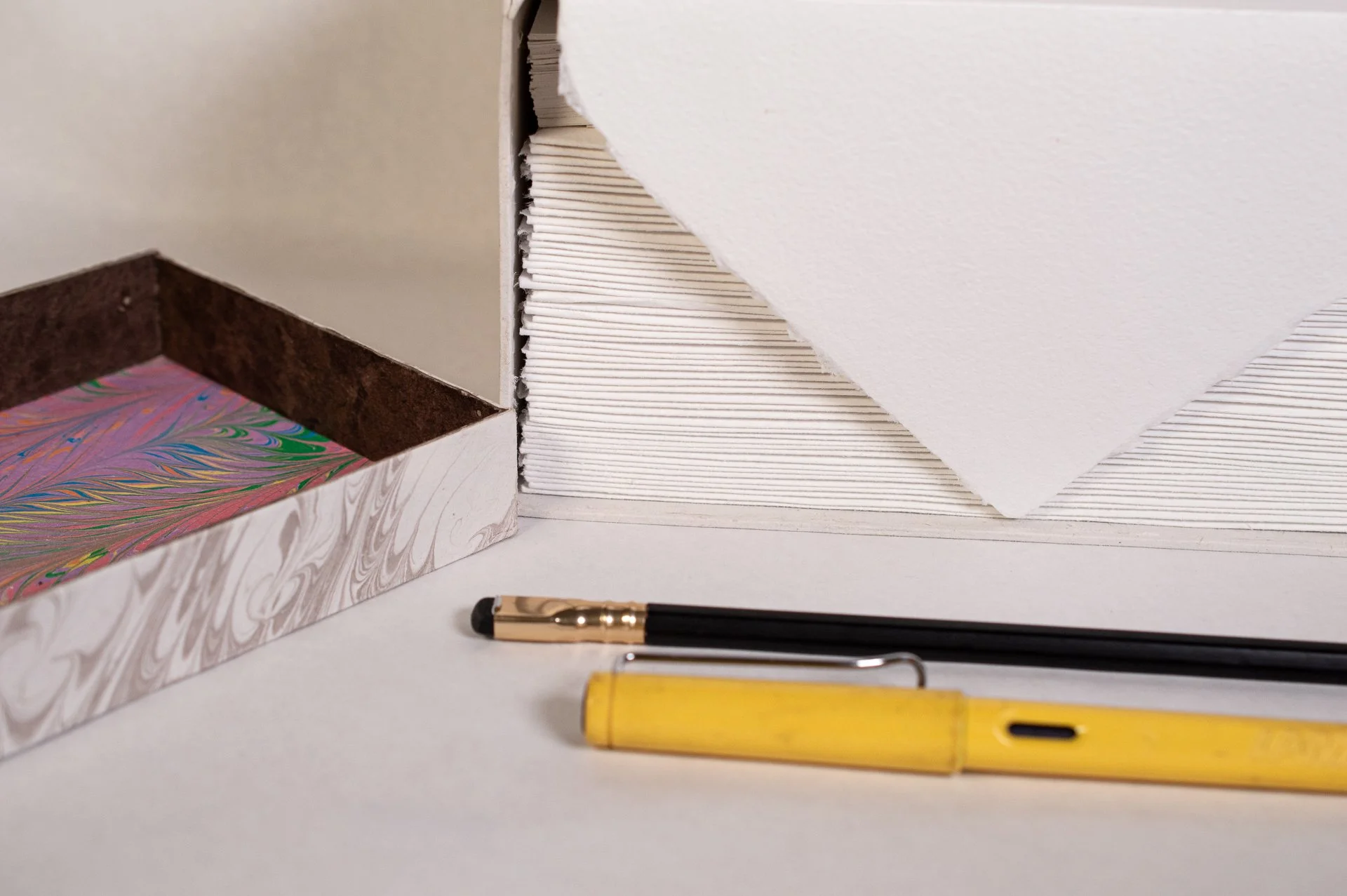
Fred Paper Co. is a production handmade paper studio in Lawrence, KS making all pulps in house from recycled textiles, printer’s scraps,
and plant fibers sourced locally and nationally.
By truly making paper from scratch, Fred paper aims to revive the art of the hand written letter,
and connect artists with traditionally crafted materials and their makers.

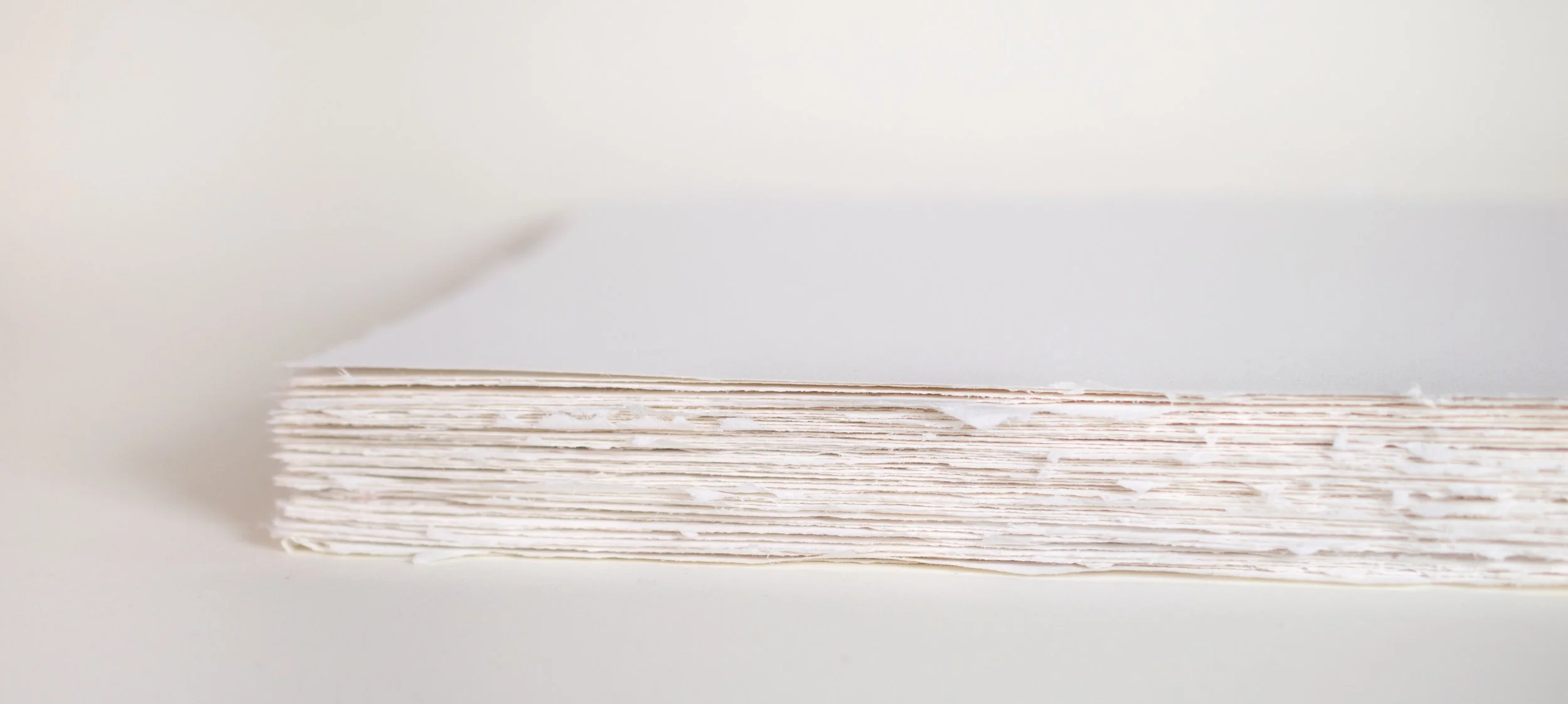
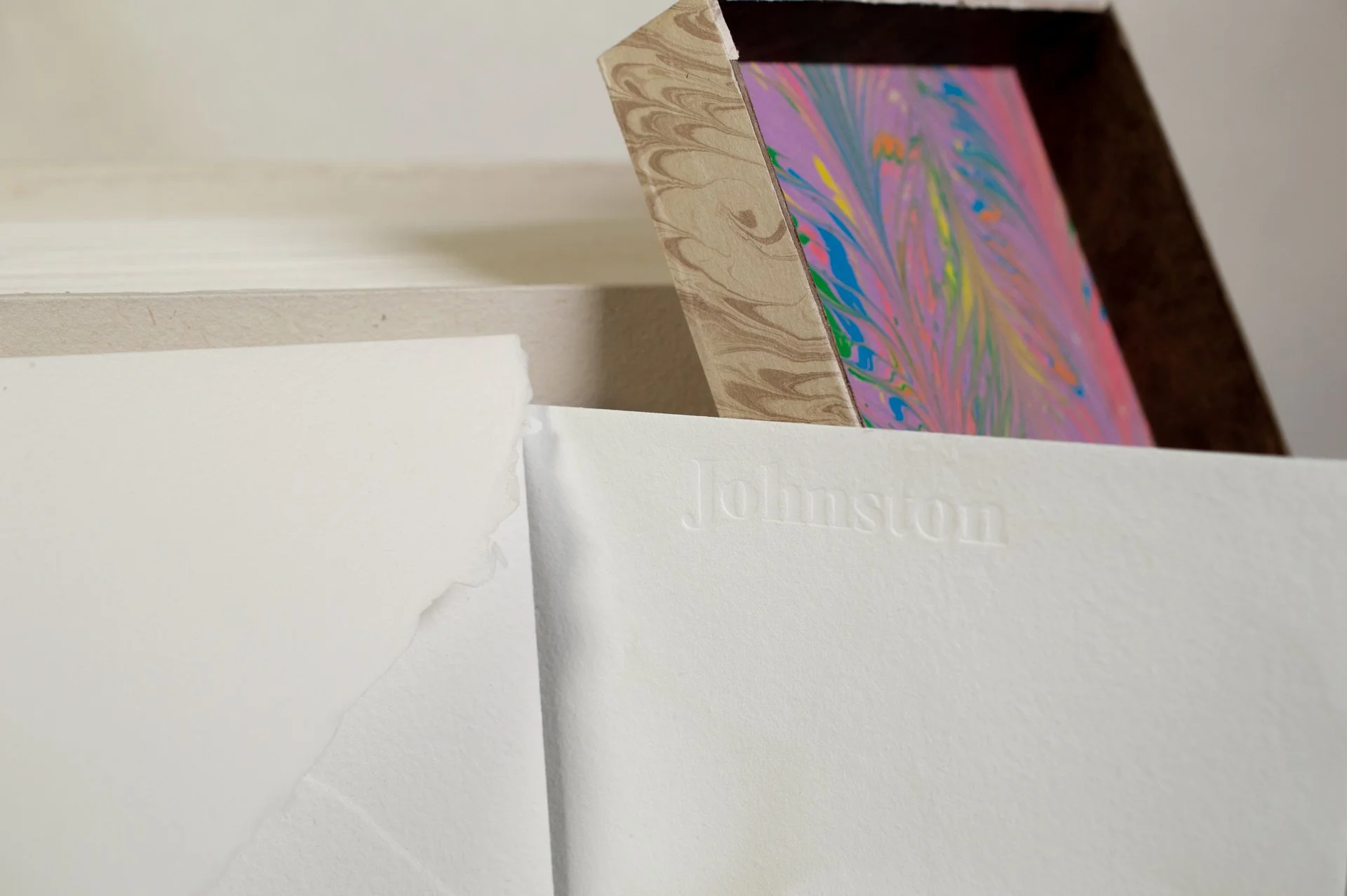
How is paper made by hand?
-
Fred’s materials: Cotton, Flax, Hemp, recycled paper scraps, other raw plant fibers
While we often hear that paper is made from trees, this was not true for most of paper’s history*. In Europe from the 11th century up to the industrial revolution paper was made from rags. Textiles made from plant fibers such as hemp, flax (linen), and cotton would live an entire life as a garment, rope, ship sail etc. before being sold as the ideal raw material for papermaking.
Fred Paper continues the tradition of using recycled rag fiber by making watercolor and cotton stationery papers from the textile waste of the community of Lawrence, KS.
*In Asia paper has been made for millennia from the bast fiber of small trees like mulberry, gampi, and mitsumata.
-
Cotton and textile fibers make a soft and absorbant sheet, but to make a thin, strong, rattley paper good for drawing, or decorative applications, bookbinding, block printing, and more, raw plant fibers are used.
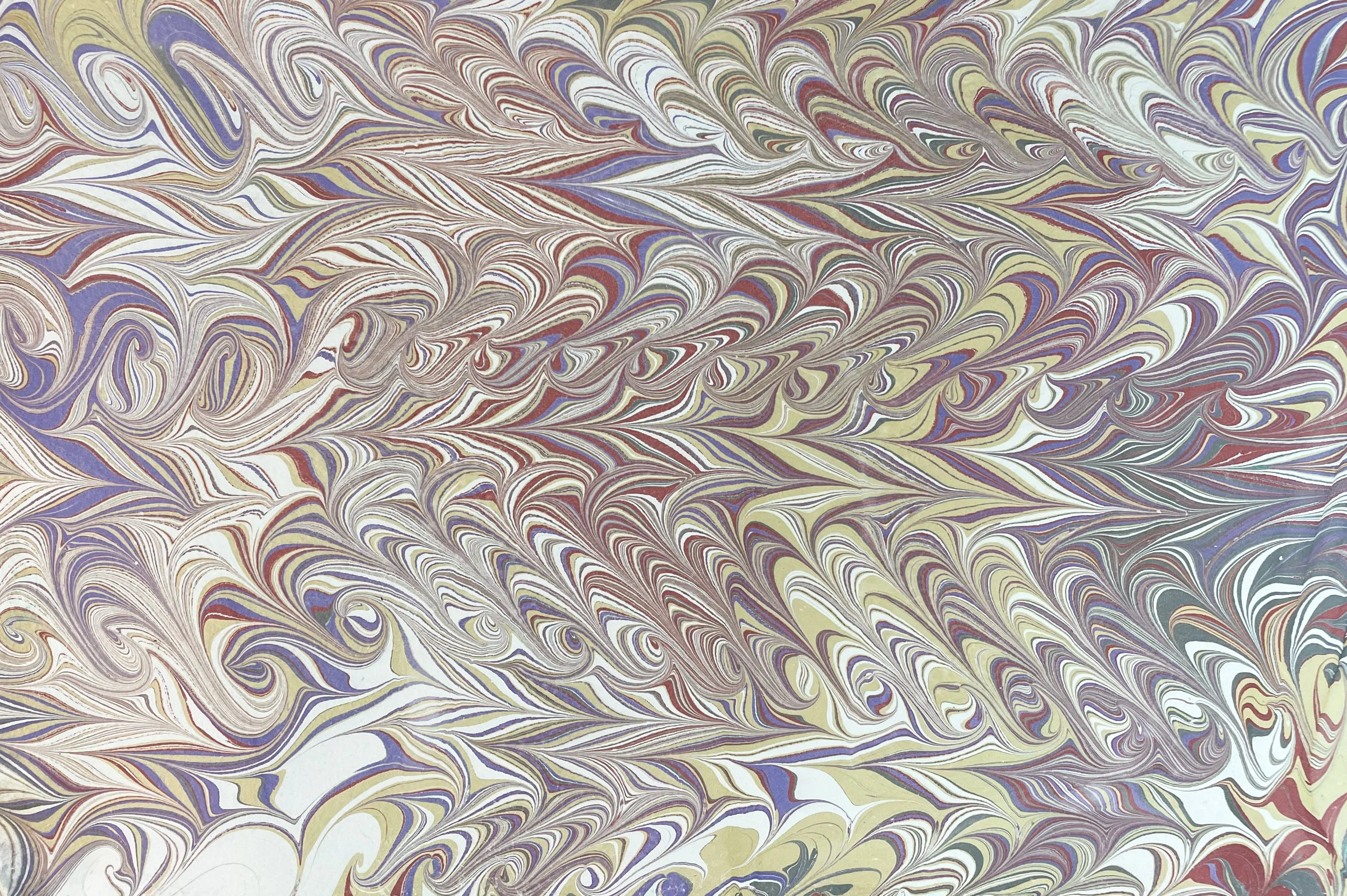
Fred paper uses locally grown flax, American hemp, and neighborhood shade garden plant leaves to make drawing, relief printmaking, marbled and decorative papers.
-
Fibers must be reduced to a pulp for hand papermaking.
In the case of raw plant fiber, initial processing is required before beating. Fibers are stripped from the woody core of the plant, dried, retted (fermented), and/or cooked in alkali to remove all but the pure cellulose used to make paper.
Rags must be stripped of any seams containing synthetic thread before being cut by hand into small squares.
Beating - whatever fiber is being used, the next step is to soak it in water and beat it into a pulp using a hollander beater. The hollander is a sort of mill that smashes the fabric into threads, and separates plant fibers into individual strands of fiber and hydrates them so that they are suitable for sheet formation.
-
Not yet. Pulp then becomes the material to be formed into sheets of paper, or used for other applications like sculpture or paper casting.
For making sheets of paper the pulp is added to a vat of water and is mixed up until the fibers are evenly distributed.
The mold and deckle is the tool the papermaker uses to form a sheet. It is made up of two frames, the bottom of which is a flat mesh used to strain the fibers from the paper, and the top open frame, called a deckle, which determines the size and shape of the sheet. The vatperson dips the tool into the slurry and draws up fiber and water. They then shake and vibrate the tool to arrange the fibers which interlock as the water drains away forming an even and strong sheet.
The deckle is removed and the wet sheets are stacked alternately with wet wool felt which keep the sheets separate and impart their nonwoven texture onto the sheet.
The stack of interleaved wet paper and felt (now called a post) is put into a big hydraulic press which removes a lot of the water. The sheets are then parted from the felts and hung to dry.
Pad of Handmade Watercolor Paper -Travel Size
Made from 100% recycled cotton and just the right size for painting on site, each handmade sheet invites collaboration between artist and papermaker.